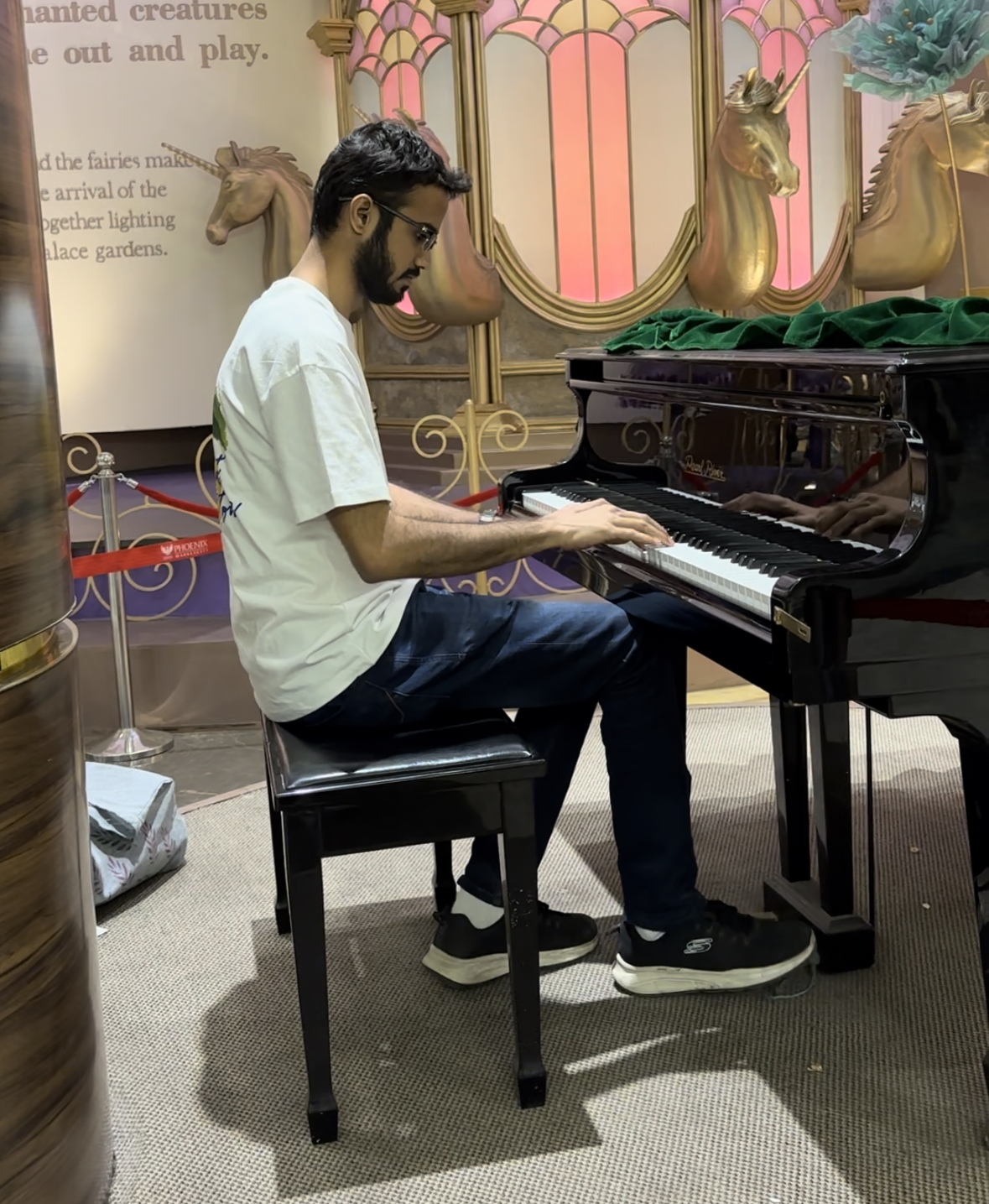
Twenty years at the keys.
I've been the student. I know what works — and what wastes your time. Here's how I got here.
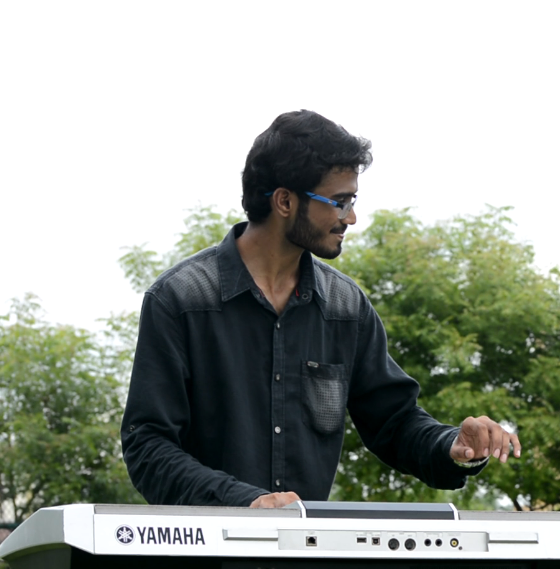
I started playing before I understood why.
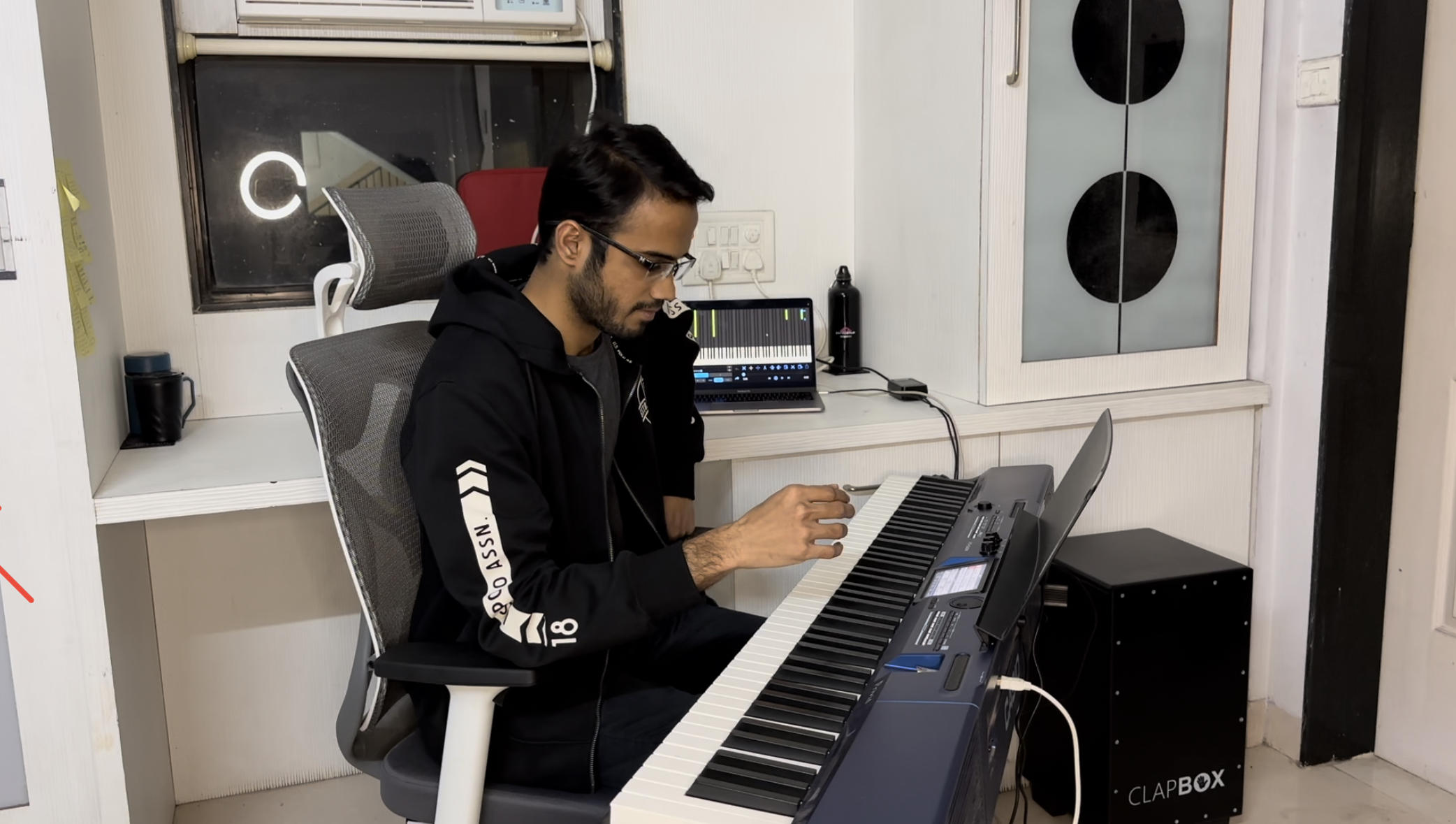
Music arrived before the theory did. In 2005, I sat down at a keyboard and started learning what the notes meant — not from a textbook, but from playing them until they made sense in my hands and ears.
Over twenty years, that instinct never left. It became the foundation of how I teach: feel it first, understand it second. Theory is a map — but the music is the territory.
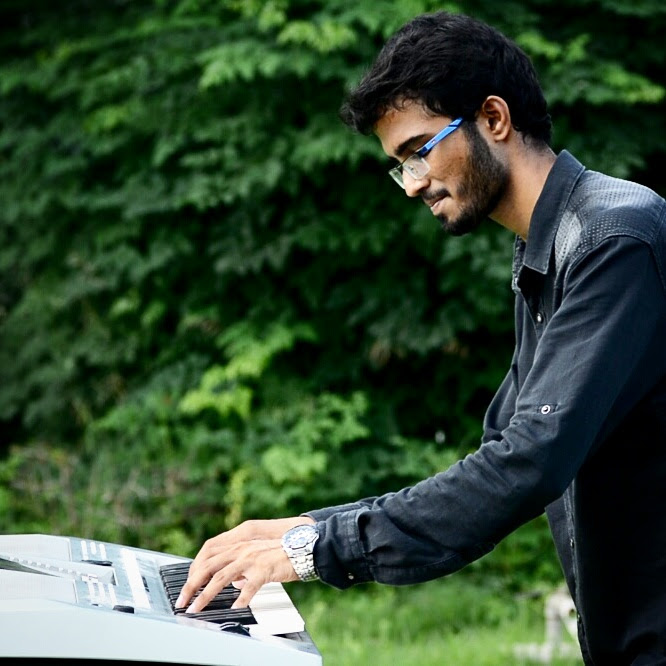
I've been the student.
I know what works.
I trained under six different teachers, each with their own school of thought — some strict classicists, others improvisers, some who taught by ear and others who drilled notation from day one.
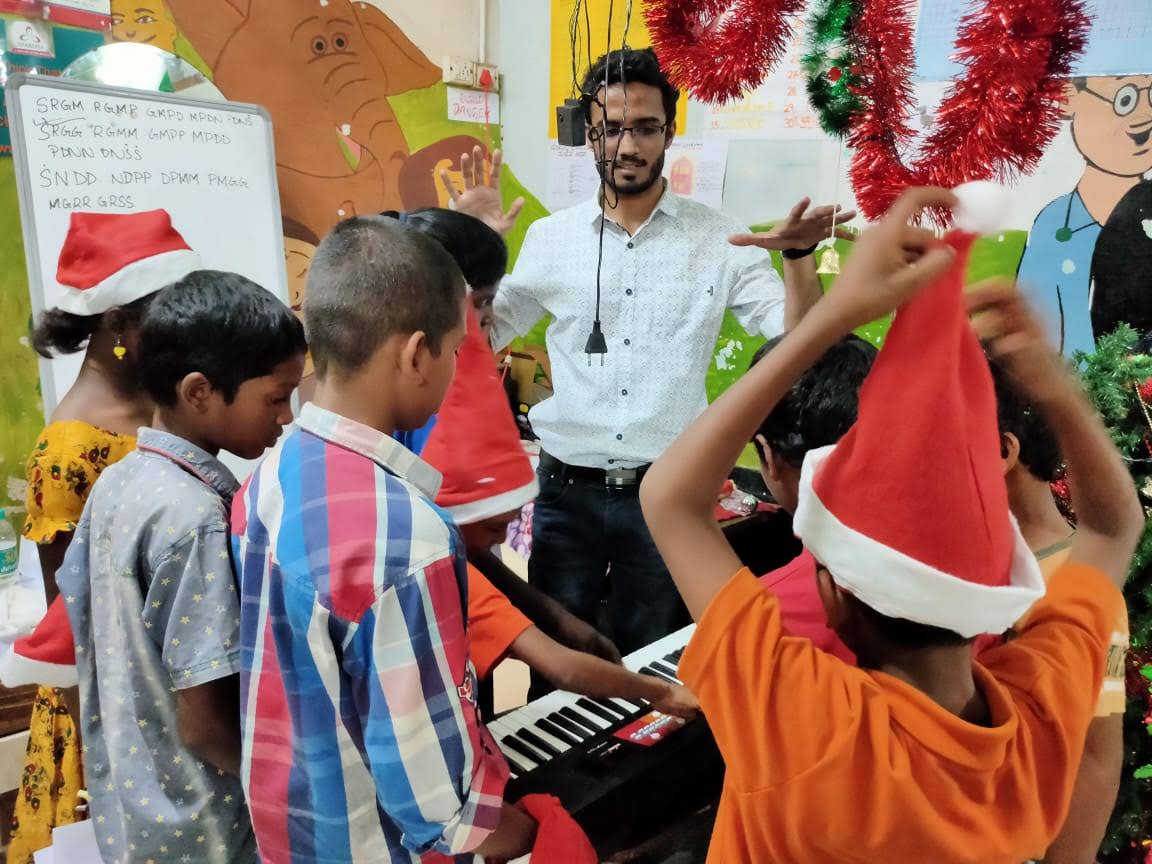
That breadth taught me something invaluable: there is no single right way. What matters is that the approach matches the student. I bring all six perspectives into my teaching, and I use whichever one unlocks you.
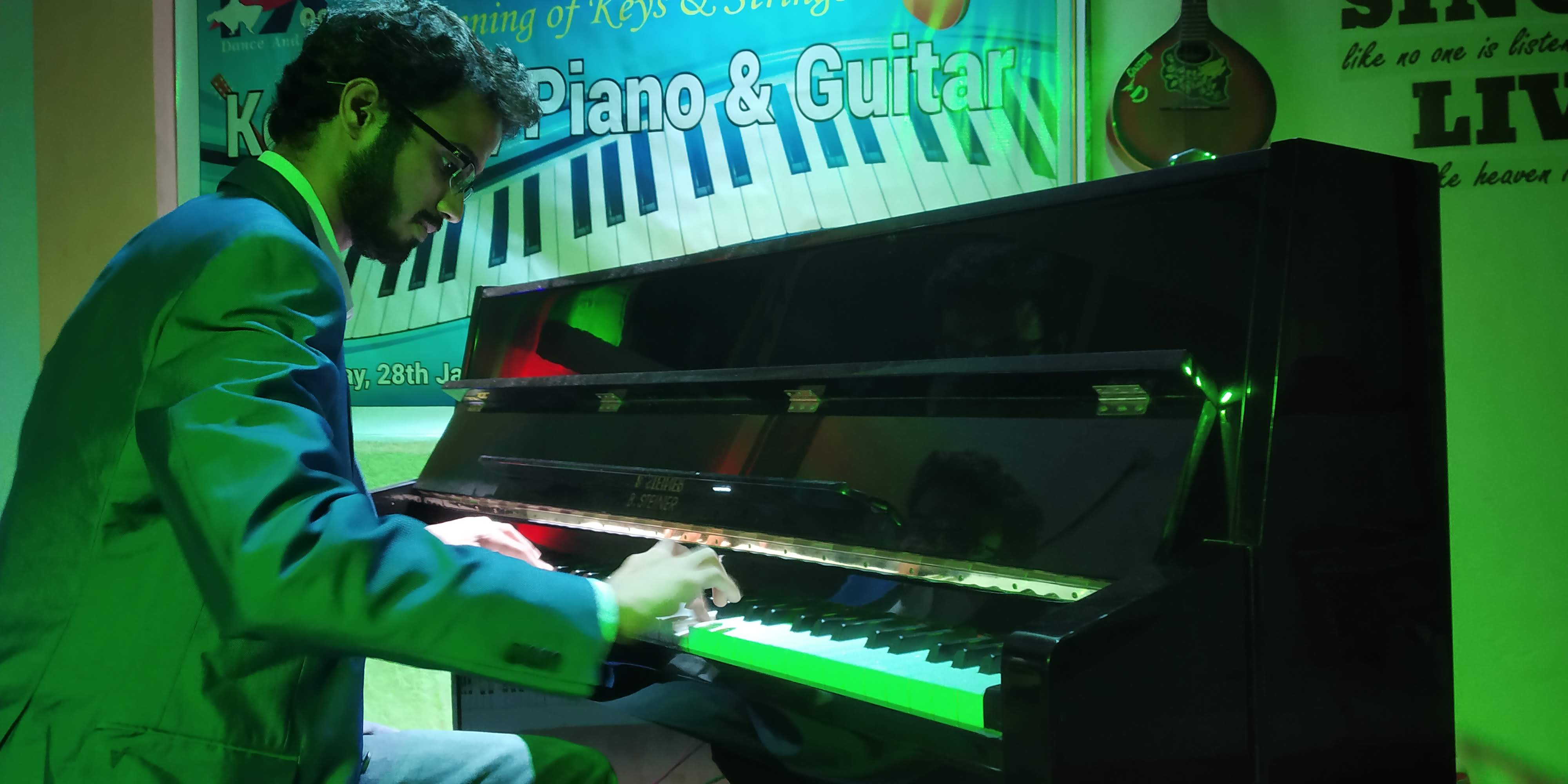
Music is meant to be shared.
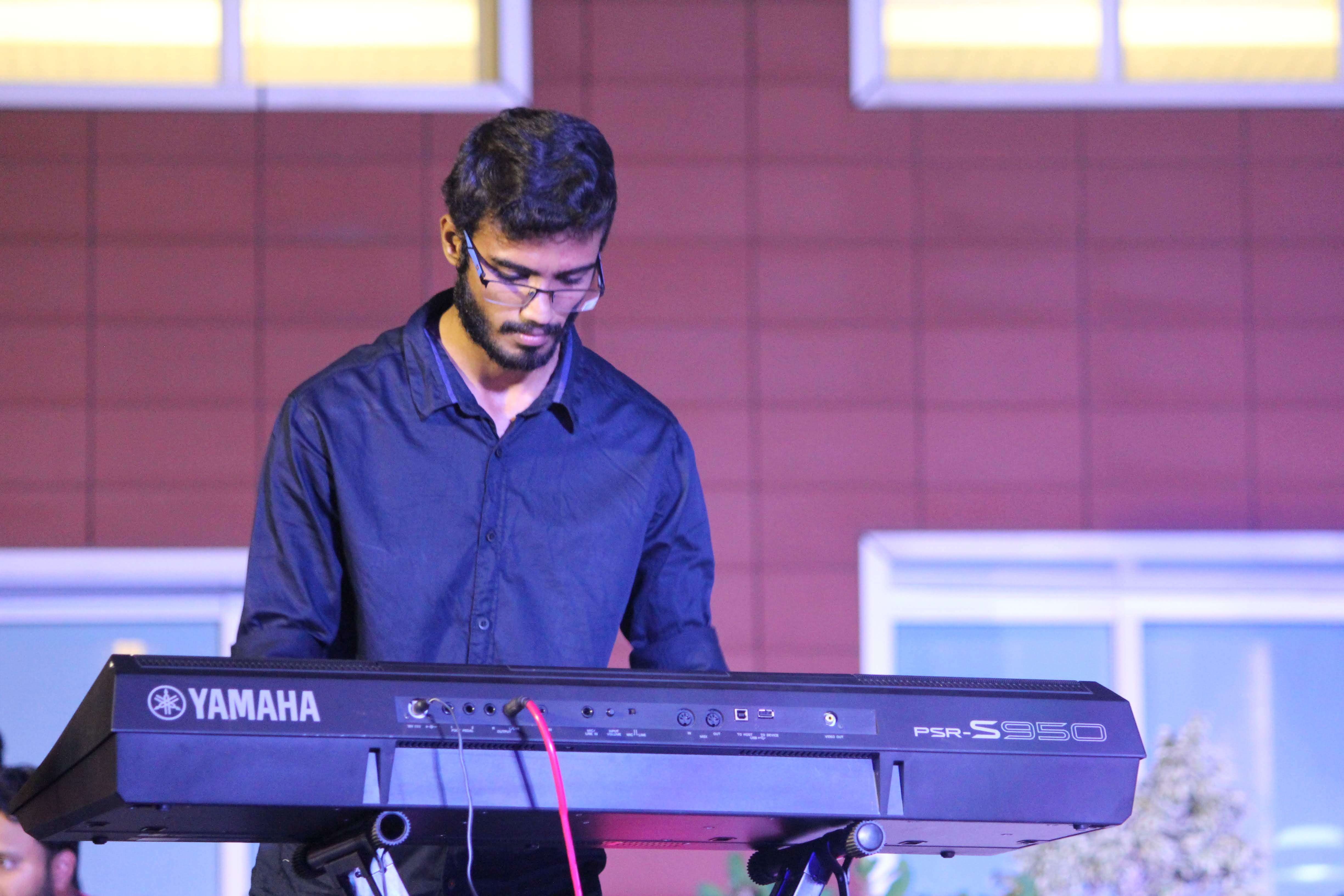
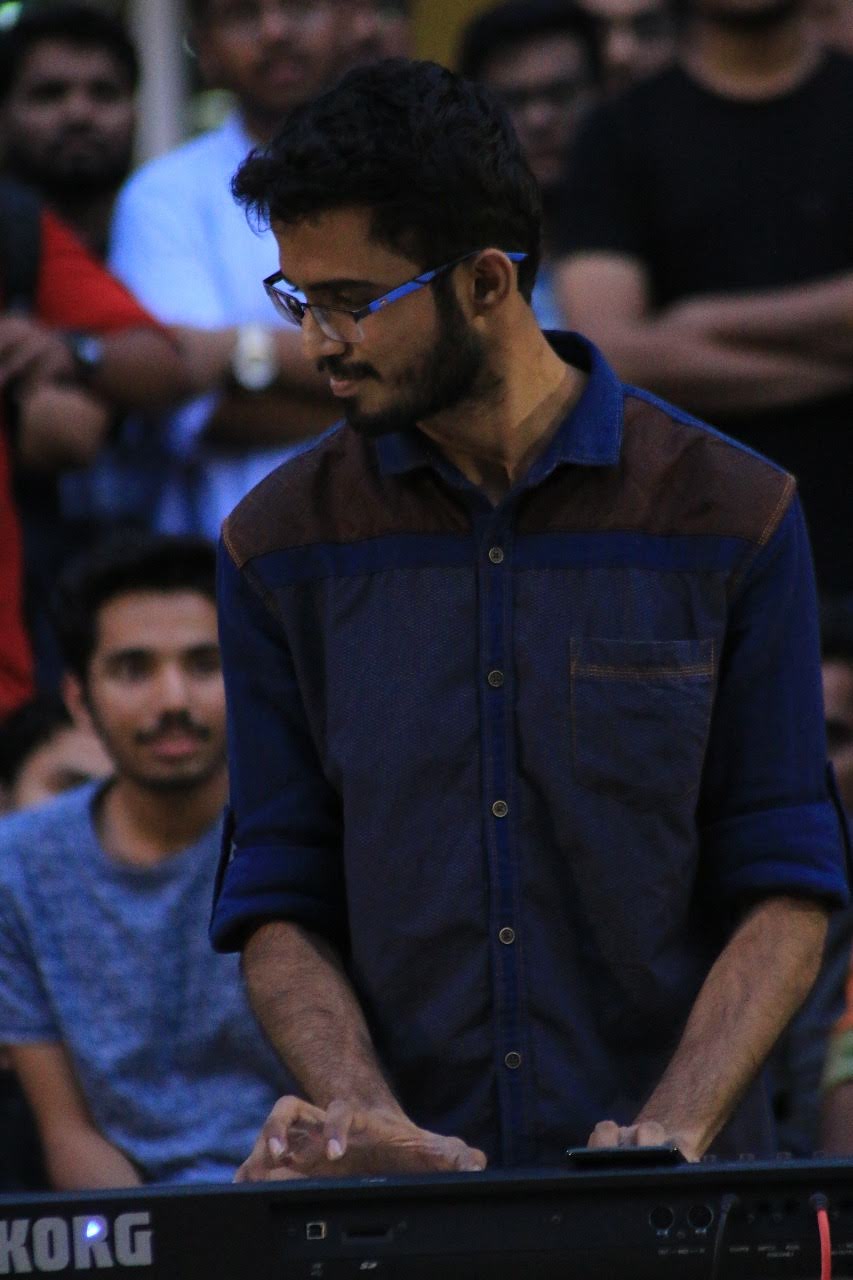
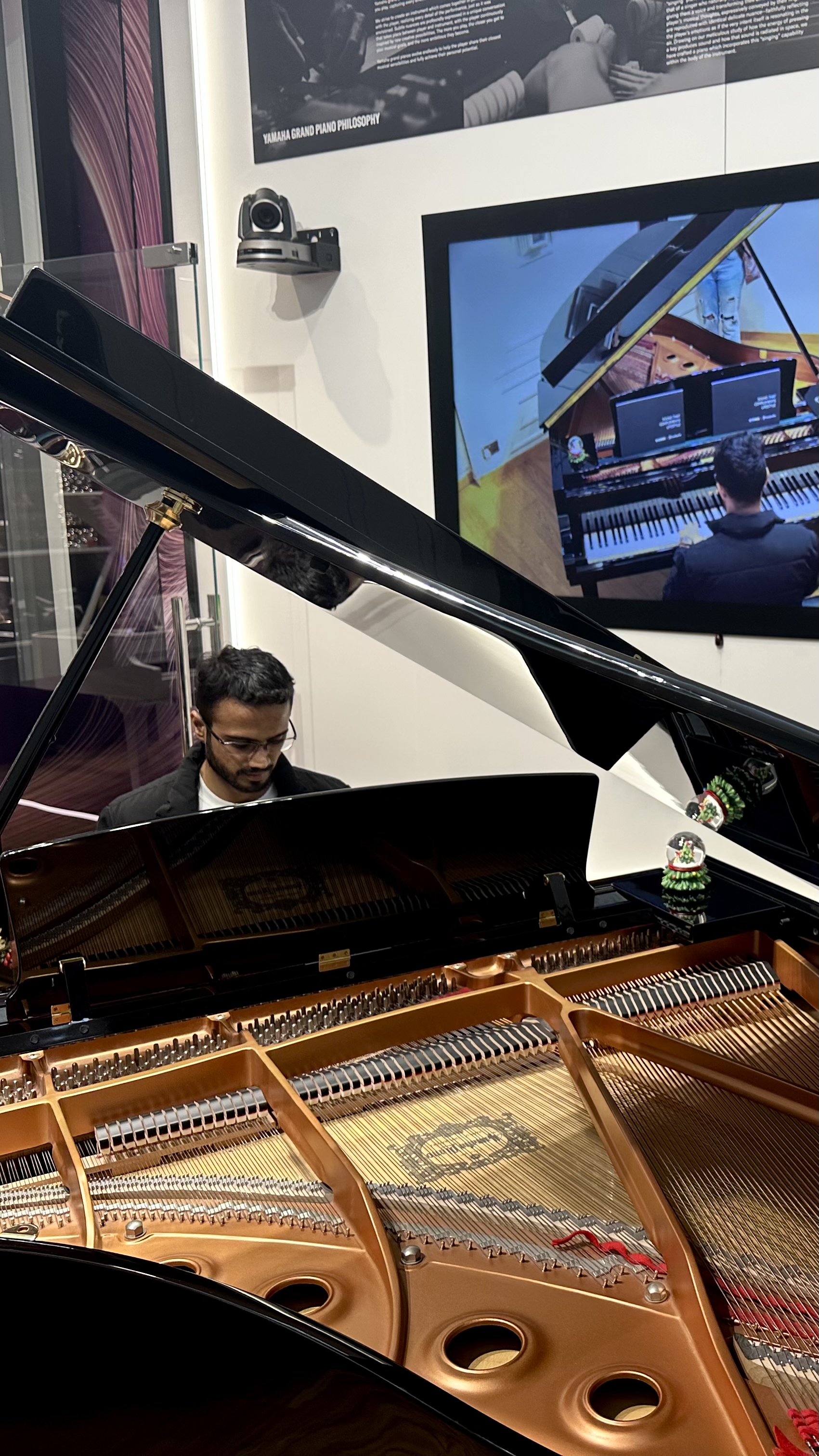
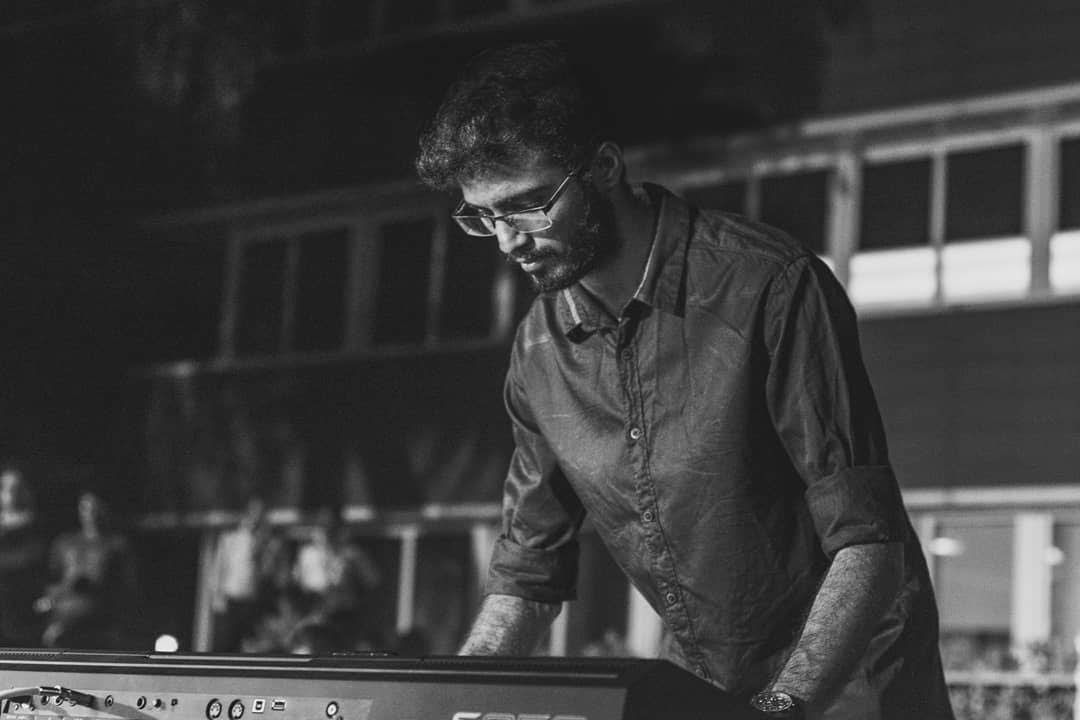
Learning to play in your room is one thing. Playing for a room of people is another. I've performed across genres and settings — classical concerts, live gigs, intimate venues, packed crowds.
Those experiences shaped my teaching. I don't just teach you to play the notes; I teach you to perform them. The goal is always to eventually share what you've built.
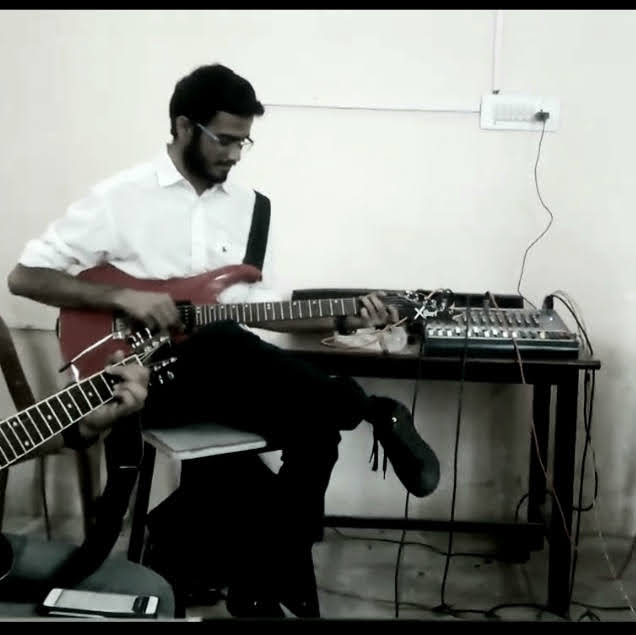
Cross-genre, cross-instrument.
Piano is the foundation. But I play guitar too — and that cross-pollination matters. Understanding harmony from multiple instruments gives you a richer musical mind. My lessons bridge Indian classical (Sa Re Ga Ma) and Western traditions, from classical to jazz to contemporary. Wherever you come from musically, I meet you there.